Milton Keynes is one of the most distinctive urban areas in England. Known for its modern infrastructure, extensive green spaces, and strategic location, Milton Keynes has become an important commercial and residential hub within the United Kingdom.
Many people searching for Milton Keynes often ask one simple question: where exactly is it located in England? The answer goes far beyond a point on a map. Milton Keynes occupies a uniquely advantageous position that has helped shape its rapid development, economic prosperity, and national relevance.
Understanding the Geography of England
England is divided into several counties and regions, each with its own identity and characteristics. Milton Keynes is situated in the southern half of England, within the ceremonial county of Buckinghamshire.
The town lies roughly midway between London and Birmingham, placing it in a highly strategic corridor of economic activity. This central positioning has made Milton Keynes one of the fastest-growing urban centres in the country.
Where Exactly Is Milton Keynes Located?
Milton Keynes is located in Buckinghamshire in South East England. It sits approximately 50 miles northwest of London and around 70 miles southeast of Birmingham.
Geographically, Milton Keynes is positioned close to the centre of England’s major transportation network. Its location near the M1 motorway enables convenient travel to numerous cities across the country.
The town is also situated near counties such as Northamptonshire, Bedfordshire, and Hertfordshire, making it an important regional connection point.
Milton Keynes and Buckinghamshire
Buckinghamshire is widely known for its picturesque countryside, historic villages, and affluent market towns. Milton Keynes forms part of this county but differs greatly in architectural style and urban planning.
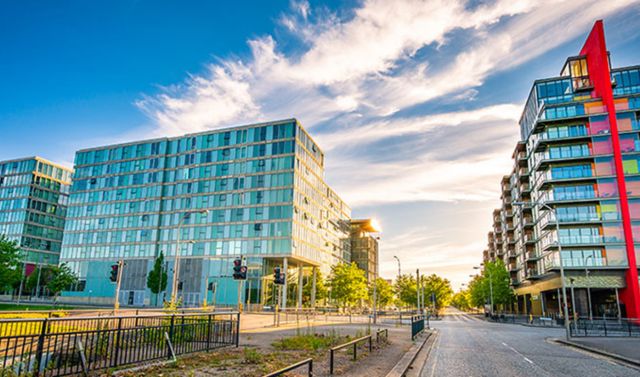
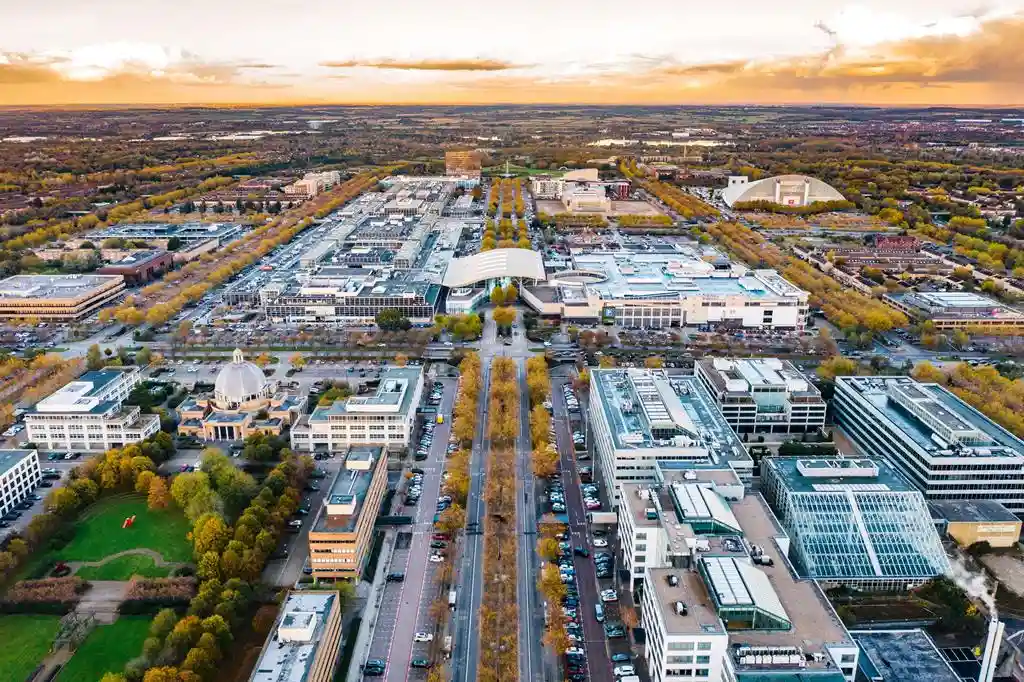
Unlike many traditional English towns that evolved over centuries, Milton Keynes was deliberately designed during the late twentieth century. Its broad boulevards, organised districts, and extensive green areas create an atmosphere that feels remarkably contemporary.
Despite its modern appearance, Milton Keynes still maintains strong ties to Buckinghamshire’s heritage and surrounding rural charm.
Distance Between Milton Keynes and London
One of the greatest advantages of Milton Keynes is its proximity to London.
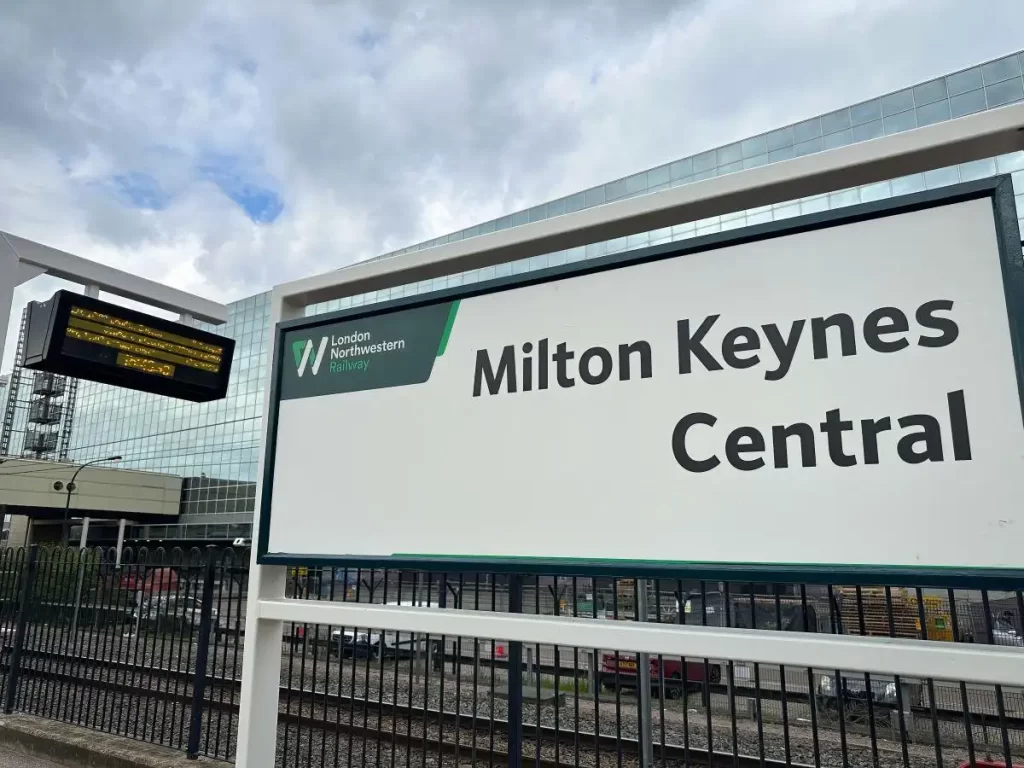
The distance between the two locations is approximately 50 miles by road. Thanks to high-speed rail services, journeys to London can take as little as 30 to 40 minutes from Milton Keynes Central railway station.
This exceptional connectivity allows many professionals to live in Milton Keynes while commuting to London for work. As a result, the area has become increasingly attractive to families, entrepreneurs, and investors seeking more affordable living outside the capital.
Milton Keynes in Relation to Major UK Cities
Milton Keynes occupies a favourable position among several major English cities.
- London lies to the southeast
- Birmingham is located to the northwest
- Oxford sits to the west
- Cambridge is positioned to the east
- Leicester and Coventry are within accessible driving distance
This geographical balance has enabled Milton Keynes to thrive as both a residential and commercial destination.
The Historical Background of Milton Keynes
Although Milton Keynes is considered a modern town, the surrounding area possesses centuries of history.
The name “Milton Keynes” originally belonged to a small village that existed long before the new town development. Archaeological evidence suggests that people have lived in the region since Roman and even prehistoric times.
In 1967, the British government officially designated Milton Keynes as a “new town” to address housing shortages and overcrowding in London.
Why Milton Keynes Was Created
The post-war era brought enormous pressure on London’s housing infrastructure. Authorities needed a carefully planned settlement capable of accommodating a rapidly growing population.
Milton Keynes was designed with ambitious principles:
- Spacious residential districts
- Efficient transportation systems
- Large green corridors
- Economic self-sufficiency
- Balanced urban expansion
The result was a highly organised town that became an influential model of modern urban planning in England.
The Significance of Its Central Location
Milton Keynes benefits enormously from its position within the national transport network.
Businesses operating in logistics, technology, finance, and retail often choose Milton Keynes because they can reach large portions of the UK population quickly and efficiently.
Its location also reduces travel times for residents and visitors, making it an appealing destination for both work and leisure.
Transport Links Connecting Milton Keynes
Transportation infrastructure plays a crucial role in Milton Keynes’ success.
The town offers:
- Major motorway access
- High-speed rail services
- Extensive local bus systems
- Dedicated cycling paths
- Convenient airport connections
This interconnected framework supports economic growth while improving daily convenience for residents.
Milton Keynes and the M1 Motorway
The M1 motorway is one of Britain’s most important road networks, linking London with northern England.
Milton Keynes lies directly alongside this motorway, providing rapid road access to key destinations across the country.
For businesses involved in transportation or distribution, this strategic positioning offers a major commercial advantage.
Railway Connectivity and Fast Trains
Milton Keynes Central railway station serves as one of the busiest transport hubs outside London.
Direct train services connect Milton Keynes with:
- London Euston
- Birmingham
- Manchester
- Liverpool
- Glasgow
The railway network has significantly contributed to the town’s economic expansion and population growth.
Nearby Airports and International Access
Milton Keynes enjoys convenient access to several major airports.
These include:
- London Luton Airport
- Heathrow Airport
- Birmingham Airport
This accessibility enhances international business opportunities and simplifies overseas travel.
Surrounding Towns and Villages
The Milton Keynes area is surrounded by charming market towns and villages that contribute to its regional identity.
Nearby places include:
- Newport Pagnell
- Bletchley
- Stony Stratford
- Woburn
These locations add historical richness and cultural diversity to the wider region.
Climate and Natural Landscape
Milton Keynes experiences a temperate maritime climate typical of southern England.
Residents generally enjoy:
- Mild summers
- Cool winters
- Moderate rainfall throughout the year
The town is particularly admired for its abundant greenery. Parks, lakes, woodlands, and landscaped boulevards are integrated throughout the urban environment.
The Unique Urban Design of Milton Keynes
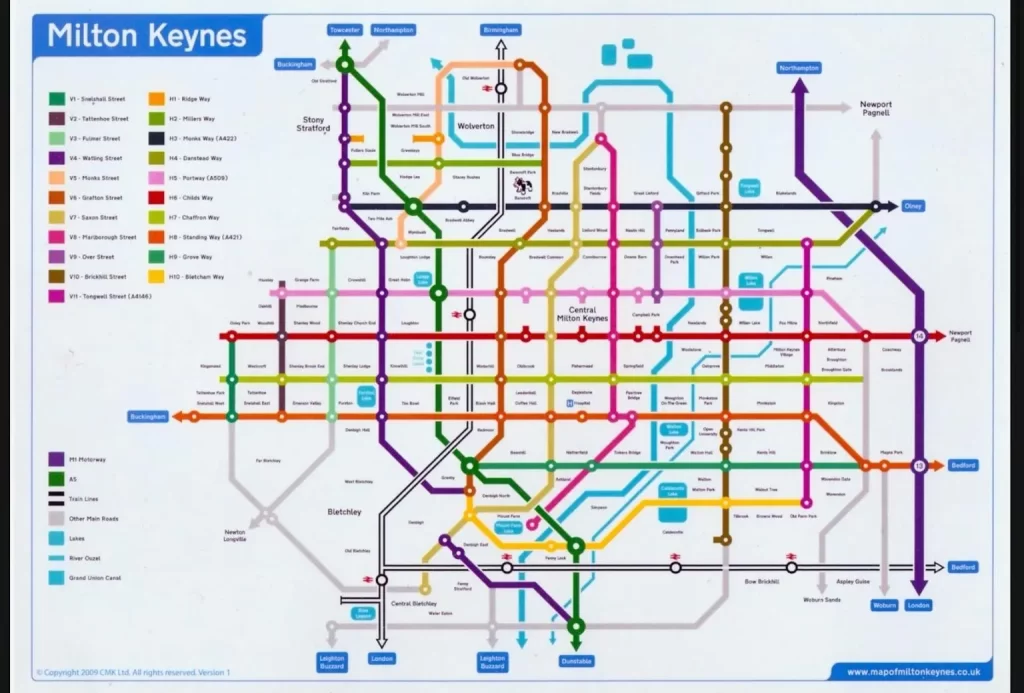
Milton Keynes is famous for its grid road system and numerous roundabouts.
The town was designed to minimise congestion while improving navigation and traffic flow. Residential areas are separated from busy roads using landscaped buffers and dedicated cycling paths known as “Redways.”
This urban arrangement creates an unusually spacious atmosphere compared with many traditional English towns.
Economic Importance of Milton Keynes
Milton Keynes has evolved into one of the UK’s strongest regional economies.
Numerous national and international companies maintain offices within the town due to its excellent connectivity and skilled workforce.
Industries flourishing in Milton Keynes include:
- Technology
- Finance
- Logistics
- Retail
- Professional services
Its economy continues to expand at a remarkable pace.
Business Opportunities in the Area
Entrepreneurs and investors are increasingly attracted to Milton Keynes.
Several factors contribute to this appeal:
- Strategic location
- Growing population
- Modern infrastructure
- Commercial development opportunities
- Strong transportation links
The town’s business-friendly environment has encouraged both startups and multinational corporations to establish operations there.
Education and Universities Nearby
Milton Keynes offers strong educational opportunities for families and students.
The area includes respected schools, colleges, and higher education facilities. Nearby universities such as the University of Buckingham and the University of Bedfordshire are accessible from the town.
Additionally, The Open University is headquartered in Milton Keynes, adding academic prestige to the area.
Tourist Attractions in Milton Keynes
Milton Keynes contains a wide range of attractions for visitors.
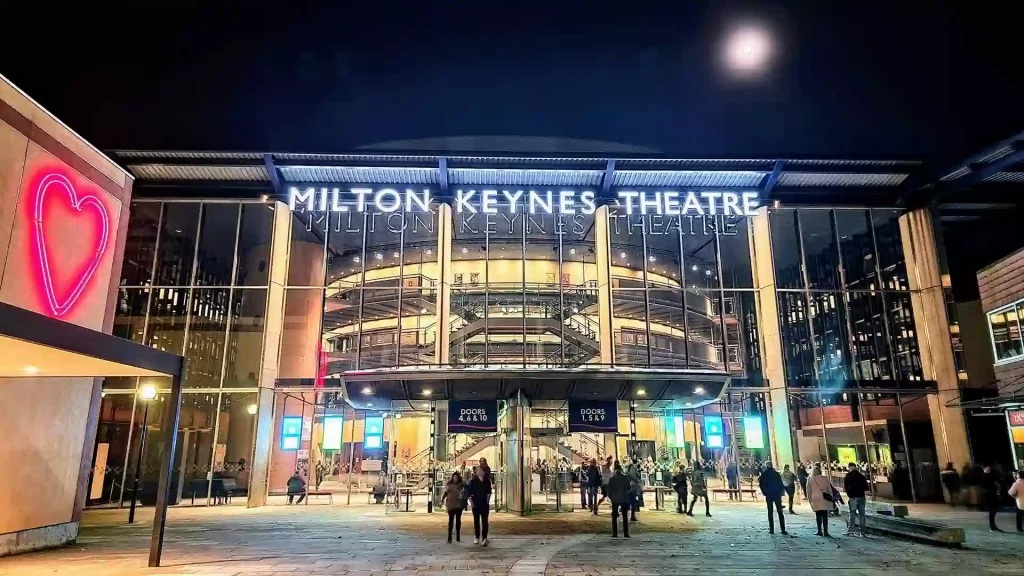
Popular destinations include:
- Bletchley Park
- Willen Lake
- Xscape Milton Keynes
- Milton Keynes Theatre
These attractions contribute significantly to the local tourism industry.
Shopping and Entertainment Facilities
Milton Keynes is widely recognised for its impressive shopping and leisure amenities.
Centre: MK is one of the UK’s largest shopping centres, offering extensive retail options alongside restaurants and entertainment venues.
The town also boasts cinemas, indoor skiing facilities, restaurants, bars, and live performance spaces.
Parks, Green Spaces, and Outdoor Activities
One of Milton Keynes’ defining characteristics is its remarkable amount of green space.
The town contains:
- Scenic lakes
- Woodland trails
- Public parks
- Nature reserves
- Cycling routes
Residents enjoy outdoor activities such as walking, cycling, sailing, and running throughout the year.
Why People Choose to Live in Milton Keynes
Many people relocate to Milton Keynes because it combines urban convenience with spacious surroundings.
Benefits often include:
- Easier commuting
- Modern housing developments
- Family-friendly communities
- Excellent schools
- Strong employment opportunities
The town provides a balance that appeals to both professionals and growing families.
Property and Housing Growth
Milton Keynes continues to experience substantial residential expansion.
New housing developments are regularly constructed to accommodate population growth and economic demand. Property values have generally remained resilient due to the town’s popularity and strategic location.
Investors frequently view Milton Keynes as a promising long-term property market.
Milton Keynes as a Modern English City
Milton Keynes represents a different vision of urban England.
Unlike historic cities built organically over centuries, Milton Keynes was meticulously planned to support modern living. Wide roads, integrated green spaces, advanced infrastructure, and commercial adaptability distinguish it from many older towns.
Its design philosophy continues to influence urban development discussions across the UK.
Frequently Asked Questions About Milton Keynes
1. Is Milton Keynes in London?
No. Milton Keynes is located in Buckinghamshire, approximately 50 miles northwest of London.
2. Is Milton Keynes a city or town?
Historically, it was designated as a new town. However, it officially gained city status in 2022.
3. How long does it take to travel from Milton Keynes to London?
High-speed trains can complete the journey in roughly 30 to 40 minutes.
4. What county is Milton Keynes in?
Milton Keynes is part of Buckinghamshire in England.
5. Why is Milton Keynes famous?
It is famous for its modern urban planning, extensive green spaces, roundabouts, and strong economic growth.
Final Thoughts on Milton Keynes’ Location in England
Milton Keynes occupies one of the most strategically valuable locations in England. Positioned between major cities, connected by exceptional transport infrastructure, and designed with forward-thinking urban planning principles, the town has transformed into a thriving economic and residential destination.
Its location within Buckinghamshire provides both accessibility and charm, while its proximity to London enhances its national importance. Whether viewed from a business, lifestyle, or geographical perspective, Milton Keynes stands as one of England’s most fascinating modern success stories.