Introduction to Milton Keynes Economy
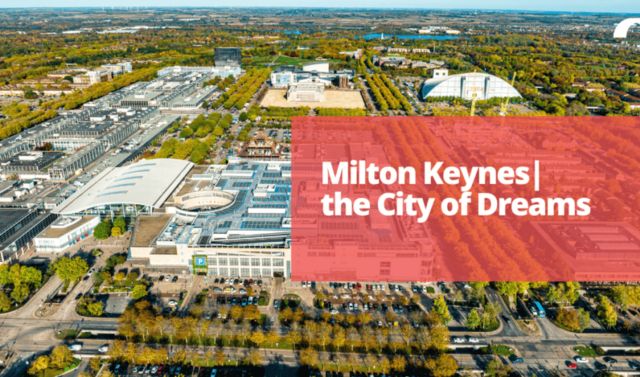
Milton Keynes has transformed from a planned new town into one of the most commercially vibrant urban centres in England. The city possesses a remarkably diversified economy, driven by innovation, infrastructure, and strategic positioning.
Unlike many towns dependent upon a single industrial sector, Milton Keynes benefits from a broad economic spectrum. Technology firms operate alongside logistics giants. Financial institutions coexist with creative agencies and manufacturing companies. This diversification creates economic resilience and continual commercial momentum.
Its business ecosystem feels modern, adaptable, and conspicuously ambitious.
The Economic Evolution of Milton Keynes
Milton Keynes was officially designated as a new town in 1967. The intention was not merely residential expansion. Authorities envisioned a self-sustaining economic centre capable of supporting substantial commercial activity.
Over the decades, the city evolved rapidly. Agricultural land gradually transformed into:
- Business parks
- Industrial estates
- Retail centres
- Technology hubs
- Residential developments
Today, Milton Keynes stands as one of the United Kingdom’s strongest regional economies.
Why Milton Keynes Became a Business Hub
Several factors contributed to the city’s economic ascension.
These include:
- Excellent transport links
- Modern urban planning
- Large commercial spaces
- Access to skilled labour
- Proximity to London
Businesses appreciate the practicality of Milton Keynes. Wide roads, efficient infrastructure, and lower operating costs compared with London create highly favourable commercial conditions.
The city offers convenience without sacrificing connectivity.
Strategic Location and Transport Advantages
Location plays a pivotal role in the city’s economic success.
Milton Keynes sits near the M1 motorway, one of Britain’s most important transport corridors.
This strategic positioning enables rapid movement of:
- Goods
- Employees
- Commercial services
- Freight transportation
Meanwhile, Milton Keynes Central railway station provides fast train services to London and other major cities.
Connectivity remains one of the city’s greatest commercial assets.
- Technology and Digital Industry
- A Thriving Innovation Economy
The technology industry is among the fastest-growing sectors in Milton Keynes.
The city hosts:
- Software developers
- Cybersecurity firms
- Telecommunications companies
- Cloud computing providers
- Artificial intelligence startups
Digital transformation continues to accelerate demand for technological services, and Milton Keynes has positioned itself as a modern innovation hub capable of supporting that growth.
Its infrastructure and accessibility attract technology firms seeking expansion outside London.
2. Software Development and IT Services
Software and IT services contribute substantially to the local economy.
Companies specialise in:
- Business automation
- Mobile applications
- Data analytics
- Enterprise software
- Financial technology solutions
Modern office environments and collaborative workspaces encourage technological creativity. Startups and established corporations alike benefit from the city’s entrepreneurial atmosphere.
The sector continues evolving with impressive velocity.
3. Financial Services and Banking Sector
Financial services form another major industrial pillar within Milton Keynes.
The city accommodates:
- Banking institutions
- Mortgage providers
- Insurance firms
- Investment consultancies
- Financial advisory services
Businesses operating within finance appreciate the balance between professional accessibility and operational efficiency.
Its proximity to London further strengthens the sector’s importance.
4. Professional Business Services
Professional services represent a rapidly expanding component of the local economy.
This industry includes:
- Accountancy firms
- Legal practices
- Recruitment agencies
- Consultancy companies
- Human resources specialists
As businesses continue growing across the region, demand for specialised professional expertise rises accordingly.
Milton Keynes has become a highly attractive location for commercial support services.
5. Logistics and Distribution Industry
A National Distribution Centre
Logistics remains one of the largest industries in Milton Keynes.
The city’s location enables efficient national distribution, making it ideal for:
- Freight operations
- Warehousing
- Delivery services
- E-commerce fulfilment
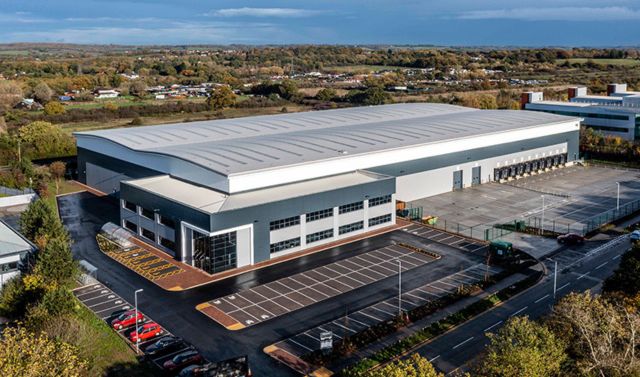
Industrial estates surrounding the city continue expanding due to increasing demand from retailers and supply chain companies.
The logistics infrastructure feels vast, efficient, and perpetually active.
6. Warehousing and Supply Chain Operations
The rise of e-commerce has intensified demand for warehousing facilities.
Milton Keynes offers:
- Large industrial spaces
- Excellent motorway access
- Skilled logistics workforce
- Modern distribution facilities
This combination has attracted substantial investment from online retailers and supply chain operators.
The warehousing sector continues growing at remarkable speed.
7. Manufacturing and Engineering Industries
Manufacturing remains an important economic contributor despite the city’s increasing service-sector dominance.
Industries include:
- Precision engineering
- Electronics manufacturing
- Industrial equipment production
- Construction materials
Many companies utilise advanced automation and innovative engineering technologies to remain competitive.
The sector blends traditional industrial capability with modern production sophistication.
8. Automotive and Transport Industries
Milton Keynes maintains strong links to the automotive and transportation sectors.
Companies operate in:
- Vehicle logistics
- Fleet management
- Transport technology
- Automotive servicing
Its transport infrastructure provides significant advantages for businesses involved in vehicle distribution and mobility solutions.
9. Retail and Shopping Sector
Retail contributes enormously to the city’s economy.
Centre: MK and surrounding retail developments attract shoppers from across the region.
The retail industry encompasses:
- Fashion brands
- Restaurants
- Electronics retailers
- Entertainment venues
- Luxury boutiques
Consumer spending supports thousands of local jobs.
10. Hospitality and Tourism Industry
Tourism and hospitality continue expanding steadily.
Visitors are drawn to attractions such as:
- Bletchley Park
- Willen Lake
- Xscape Milton Keynes
Hotels, restaurants, bars, and entertainment venues collectively generate significant economic activity.
Business tourism also plays an increasingly important role.
11. Healthcare and Medical Services
Healthcare represents an essential industry within Milton Keynes.
The sector includes:
- Hospitals
- Medical clinics
- Care homes
- Dental practices
- Specialist healthcare providers
Population growth continues to drive demand for healthcare infrastructure and medical professionals.
The industry provides substantial employment opportunities across multiple disciplines.
12. Education and Training Industry
The Open University significantly contributes to the local economy.
Educational institutions support:
- Research development
- Employment creation
- Student spending
- Professional training
Training providers also assist businesses seeking workforce development and technical skills enhancement.
13. Construction and Property Development
Construction activity remains exceptionally strong due to continuous population and commercial growth.
Developments include:
- Residential housing
- Office buildings
- Industrial estates
- Retail parks
The property sector continues attracting investors seeking long-term growth opportunities.
14. Media, Marketing, and Creative Industries
Creative services are becoming increasingly influential.
This sector includes:
- Digital marketing agencies
- Web development companies
- Graphic design studios
- Advertising firms
- Content production agencies
As businesses prioritise online visibility and branding, demand for creative expertise continues to increase.
The industry reflects the city’s modern entrepreneurial energy.
15. Startup and Entrepreneurial Ecosystem
Milton Keynes has cultivated a thriving startup culture.
Entrepreneurs benefit from:
- Flexible coworking spaces
- Networking communities
- Business incubators
- Investment opportunities
Technology and digital startups are particularly prominent.
The city encourages innovation and commercial experimentation.
16. Green Technology and Sustainability Sector
Sustainability initiatives are shaping future industrial growth.
Emerging sectors include:
- Renewable energy
- Electric vehicle infrastructure
- Sustainable construction
- Environmental technologies
Milton Keynes increasingly positions itself as a progressive and environmentally conscious city.
17. Employment Opportunities in Milton Keynes
The city offers extensive employment opportunities across diverse sectors.
Major employment industries include:
- Technology
- Retail
- Logistics
- Healthcare
- Finance
- Construction
This industrial diversity strengthens economic resilience and attracts skilled workers from across the UK.
18. Why Businesses Relocate to Milton Keynes
Many companies choose Milton Keynes because it provides:
- Lower operating costs than in London
- Modern infrastructure
- Excellent transport links
- Skilled labour availability
- Commercial expansion opportunities
The city combines practicality with economic ambition.
This balance continues attracting national and international investment.
19. Economic Growth and Future Development
Milton Keynes is expected to continue expanding economically over the coming decades.
Future growth areas include:
- Artificial intelligence
- Smart city technology
- Digital infrastructure
- Sustainable transport systems
- Advanced manufacturing
Its forward-thinking planning model positions the city strongly for future prosperity.
20. Challenges Facing Local Industries
Despite strong growth, Milton Keynes faces several economic challenges.
These include:
- Rising property costs
- Labour shortages in some sectors
- Infrastructure pressure from rapid expansion
- Increasing competition from other regional hubs
However, ongoing investment and development initiatives continue addressing these concerns.
Frequently Asked Questions About Industries in Milton Keynes
What is the biggest industry in Milton Keynes?
Technology, logistics, finance, and professional services are among the largest industries.
Why is Milton Keynes good for logistics?
Its location near the M1 motorway provides outstanding national transport access.
Is Milton Keynes good for startups?
Yes. The city offers modern infrastructure, flexible office spaces, and strong entrepreneurial support networks.
Does Milton Keynes have manufacturing industries?
Yes. Manufacturing and engineering remain important contributors to the local economy.
Final Thoughts on the Major Industries in Milton Keynes
Milton Keynes has developed into one of England’s most commercially dynamic cities. Its industries range from technology and finance to logistics, retail, healthcare, and advanced manufacturing.
The city’s strategic location, modern infrastructure, and forward-thinking urban planning continue attracting businesses seeking innovation and expansion.
As Milton Keynes evolves further, its industrial diversity and economic adaptability are likely to secure its position as one of the United Kingdom’s leading commercial centres.